



This guide explores the most effective types meditation practices available today. You will learn what makes each meditation type unique. You will discover which practice matches your goals. By the end, you will have the knowledge to begin your meditation journey with confidence.
Meditation and Types :
Confused, Which Meditation Style Fits You?
Download our free comparison guide. Get clear explanations of 10 meditation types with simple instructions to start today. No experience needed.
Understanding Meditation: What It Is and How It Works
Meditation is a practice that trains your mind to focus and redirect thoughts. The goal is not to stop thinking completely. Instead, meditation helps you observe your thoughts without judgment. This awareness creates space between you and your mental chatter.
Your brain changes when you practice meditation regularly. Studies show meditation increases gray matter in areas linked to learning and memory. It also reduces activity in the amygdala, the part of your brain that processes stress and anxiety.
How Meditation Affects Your Body
The benefits of meditation extend beyond your mind. Your body responds to regular practice in measurable ways. Heart rate slows. Blood pressure decreases. Stress hormones like cortisol drop to healthier levels.
These physical changes happen because meditation activates your parasympathetic nervous system. This system controls your rest and digest response. It is the opposite of your fight or flight mode.

Regular meditation practice strengthens your attention span. Think of it like exercise for your mind. Each time you bring your wandering thoughts back to your breath or mantra, you build mental muscle. This skill transfers to daily life, helping you stay present during conversations and tasks.
The practice of meditation also improves emotional regulation. You learn to notice feelings without immediately reacting to them. This pause gives you choice. You can respond thoughtfully instead of reacting impulsively.
Mindfulness Meditation: Staying Present in the Moment

Mindfulness meditation is the most popular form of meditation practice in the Western world today. This type meditation asks you to focus on the present moment. You pay attention to your breath, body sensations, thoughts, and feelings as they arise.
The core of mindfulness practice is awareness without judgment. When your mind wanders during meditation, you simply notice it happened. You do not criticize yourself. You gently return your attention to the present moment. This simple act repeated thousands of times builds powerful awareness.
How to Practice Mindfulness Meditation
- Find a quiet space where you will not be disturbed for 10 to 20 minutes.
- Sit in a comfortable position with your back straight but not rigid.
- Close your eyes or lower your gaze to reduce visual distractions.
- Bring attention to your breath without trying to control it.
- Notice the sensation of air entering and leaving your body.
- When thoughts arise, acknowledge them without judgment and return focus to breath.
- Continue this practice for your chosen time period.
Mindfulness meditation helps reduce stress and anxiety significantly. Research shows that eight weeks of daily mindfulness practice can decrease symptoms of anxiety by up to 60 percent. The practice teaches your brain to respond to stress more effectively.
Key Benefit: Mindfulness meditation improves your ability to manage stress in real time. You learn to catch anxious thoughts before they spiral out of control.
This type of meditation also enhances your relationships. By practicing present-moment awareness, you become a better listener. You notice details you would have missed before. You respond more thoughtfully to others instead of reacting automatically.
Common Challenges and Solutions
Many beginners struggle with wandering thoughts during mindfulness meditation. Your mind will wander hundreds of times in a single session. This is completely normal. The practice is not about perfect focus. It is about noticing when focus is lost and choosing to return.
Physical discomfort can also challenge new practitioners. Your back might ache. Your legs might fall asleep. You can adjust your position any time. Use cushions or chairs. The goal is alert comfort, not painful rigidity.
Try Mindfulness Meditation Right Now

Start your mindfulness practice with our free meditation timer. Choose your duration. Select a calming sound. Begin your journey to greater awareness today.
Transcendental Meditation: Using Mantras for Deep Rest
Transcendental meditation uses a specific mantra to help your mind settle into deep rest. This form of meditation differs from mindfulness because you repeat a sound silently in your mind. The mantra has no meaning. It serves only as a vehicle to transcend thought.

Maharishi Mahesh Yogi introduced transcendental meditation to the West in the 1960s. The practice requires formal training from a certified teacher. During training, you receive your personal mantra. This mantra matches your individual characteristics.
The Science Behind Transcendental Meditation
Research on transcendental meditation shows impressive results. Brain scans reveal increased coherence between different brain regions during practice. This coherence means different parts of your brain work together more efficiently.
Studies also show transcendental meditation reduces cardiovascular disease risk. One study followed participants for five years. Those who practiced transcendental meditation had 48 percent fewer heart attacks and strokes compared to the control group.
Benefits of Transcendental Meditation
- Reduces anxiety and depression symptoms
- Lowers blood pressure naturally
- Improves focus and concentration
- Enhances creativity and problem-solving
- Requires only 20 minutes twice daily
Considerations
- Requires paid training from certified teacher
- Initial course costs several hundred dollars
- Cannot learn properly from books or videos
- Mantra must remain personal and private
- May take weeks to feel full effects
How Transcendental Meditation Practice Works
You practice transcendental meditation twice daily for 20 minutes. Morning and evening sessions work best. You sit comfortably with eyes closed. You silently repeat your mantra without effort or concentration.
The key to transcendental meditation is effortlessness. You do not force focus on the mantra. When thoughts arise, you gently return to the mantra. This easy approach allows your mind to settle naturally into deeper states of rest.
Many people experience thoughts and sensations during transcendental meditation. These experiences indicate stress release from your nervous system. Your body is healing and rebalancing itself. These releases are a positive sign of progress.
Zen Meditation: The Practice of Just Sitting

Zen meditation, or Zazen, comes from Buddhist tradition. The word Zazen means “seated meditation” in Japanese. This practice emphasizes sitting in stillness while maintaining alert awareness. Unlike other meditation types, Zen does not give you an object of focus like breath or mantra.
The essence of Zen meditation is “just sitting.” You maintain upright posture with eyes slightly open. Your gaze rests on the floor a few feet in front of you. You let thoughts come and go without engaging them. This practice cultivates what Zen teachers call “beginner’s mind.”
Proper Posture for Zen Meditation
Posture matters greatly in Zen meditation. You sit on a cushion called a zafu with legs crossed. Your spine stays straight but natural. Imagine a string pulling the crown of your head toward the ceiling. Your chin tucks slightly. Hands rest in your lap forming an oval shape.
This upright posture keeps you alert during meditation. It prevents drowsiness while supporting long sitting sessions. Traditional Zen practitioners sit for 25 to 40 minutes at a time. Beginners can start with shorter periods of 10 to 15 minutes.
Zen Practice Insight: Zen meditation teaches that meditation and life are not separate. The awareness you develop on the cushion should extend into every moment of your day.
The Role of Breath in Zen Practice
Breath plays an important but subtle role in Zen meditation. You do not control or manipulate your breath. You simply allow natural breathing to occur. Sometimes you might count breaths from one to ten, then start over. This counting helps anchor attention without creating tension.
Your mind will wander constantly during Zen meditation. This is expected. When you notice thoughts have carried you away, you return to present awareness. No judgment. No frustration. Just return. This returning is the practice.
Benefits of Regular Zen Practice
Zen meditation develops profound insight into the nature of mind. Practitioners report decreased identification with thoughts over time. You begin to see thoughts as passing events rather than facts about reality. This shift reduces suffering significantly.
The practice also builds patience and discipline. Sitting still with a wandering mind requires persistence. Each session strengthens your ability to stay with difficulty. This strength transfers to challenging life situations.

Research shows Zen meditation improves emotional regulation and reduces reactivity. Brain imaging studies reveal changes in the prefrontal cortex, the area responsible for decision-making and self-control. Regular practitioners respond to stress with greater calm and clarity.
Loving-Kindness Meditation: Cultivating Compassion for Self and Others
Loving-kindness meditation, also called Metta meditation, focuses on developing feelings of goodwill and compassion. This practice comes from Buddhist tradition but works for anyone regardless of religious beliefs. The technique involves silently repeating phrases of goodwill toward yourself and others.

The practice begins with directing loving-kindness toward yourself. You might silently repeat phrases like “May I be happy. May I be healthy. May I be safe. May I live with ease.” These simple wishes form the foundation of the practice.
How to Practice Loving-Kindness Meditation
Start by sitting comfortably and taking a few deep breaths. Bring to mind an image of yourself. Feel genuine warmth toward yourself as you would toward a dear friend. Silently repeat your loving-kindness phrases for several minutes.
Next, bring to mind someone you love easily. Picture their face. Feel the natural warmth that arises. Direct your loving-kindness phrases toward them. “May you be happy. May you be healthy. May you be safe. May you live with ease.”
The practice expands in circles. After loved ones, you include neutral people like a cashier at the store. Then you include difficult people who have caused you pain. Finally, you extend loving-kindness to all beings everywhere.
Scientific Research on Loving-Kindness Practice
Studies show loving-kindness meditation increases positive emotions and life satisfaction. One research study found that seven weeks of practice led to increased daily experiences of joy, gratitude, contentment, and hope.
The practice also strengthens social connections. Research shows loving-kindness meditation increases feelings of connection even toward strangers. Brain scans reveal increased activity in regions associated with empathy and emotional processing.
Loving-kindness meditation can heal difficult relationships. By practicing compassion toward someone who hurt you, you reduce your own suffering. This does not mean accepting harmful behavior. It means freeing yourself from the burden of resentment.
Compassion Practice Tip: If directing loving-kindness toward yourself feels difficult, start with someone you love easily. Once you feel the warmth of compassion, redirect it toward yourself.
Many people find loving-kindness meditation counteracts anxiety and depression. The practice shifts focus from self-criticism to self-care. It builds a kinder inner voice. Over time, this voice becomes automatic, offering comfort during difficult moments.
Body Scan Meditation: Releasing Physical Tension
Body scan meditation systematically moves attention through different parts of your body. This practice helps you notice physical sensations you normally ignore. It teaches you to release tension you did not know you were holding. The technique is particularly effective for stress and anxiety relief.

You typically practice body scan meditation lying down, though sitting works too. The session lasts 20 to 45 minutes. You start at your toes and slowly move attention upward through your entire body. At each area, you notice sensations without judgment.
Step-by-Step Body Scan Process
- Lie on your back with arms at your sides and legs uncrossed.
- Take three deep breaths to settle into the present moment.
- Bring attention to your left toes and notice all sensations there.
- Move awareness slowly up your left foot, then ankle, then calf.
- Continue moving attention through left leg, then right leg.
- Scan through torso, chest, shoulders, arms, and hands.
- Finally, scan through neck, face, and head.
- Rest in awareness of your whole body for several minutes.
The power of body scan meditation lies in its ability to reconnect mind and body. Modern life keeps most people living primarily in their heads. You think constantly while ignoring physical sensations. This disconnection contributes to stress and anxiety.
Benefits for Physical and Mental Health
Body scan meditation reduces chronic pain significantly. Studies show regular practice decreases pain intensity by helping you change your relationship with painful sensations. You learn to observe pain without tensing around it. This relaxation often reduces the pain itself.
The practice also improves sleep quality. Many people use body scan meditation as a bedtime routine. The systematic relaxation prepares your body for rest. Your mind releases the day’s concerns as you scan through each body part.
Research shows body scan meditation lowers cortisol levels. Cortisol is your primary stress hormone. High cortisol contributes to weight gain, sleep problems, and weakened immunity. Regular body scan practice helps regulate cortisol throughout the day.

Common Experiences During Practice
Many people fall asleep during body scan meditation. This is completely normal, especially when practicing in bed. If sleep happens, consider it a bonus. Your body clearly needed rest. You can practice sitting up if staying awake matters to you.
Some practitioners notice intense sensations during body scans. Tingling, warmth, or pressure may arise. These sensations often indicate tension release. Your nervous system is unwinding. Simply observe these experiences with curiosity.
Other people feel nothing in certain body areas. You might scan your left hand and feel no sensation whatsoever. This numbness is also normal. It shows how disconnected you have become from that area. Continued practice gradually restores sensation and awareness.
Vipassana Meditation: Seeing Things as They Really Are

Vipassana is one of the oldest meditation techniques from ancient India. The word means “insight” or “clear seeing” in Pali language. This practice aims to see the true nature of reality through direct experience. Vipassana meditation observes the constant change happening in every moment.
The technique involves systematic observation of bodily sensations. You notice how sensations arise, exist for a moment, then pass away. This observation reveals a fundamental truth: everything is impermanent. Understanding impermanence at the experiential level reduces suffering.
Learning Vipassana: The 10-Day Course
Most people learn Vipassana meditation through a 10-day residential course. These courses follow a strict schedule. You wake before dawn and meditate for 10 to 11 hours daily. You maintain complete silence for the entire 10 days. No reading, writing, or technology is allowed.
The intensive format serves a purpose. It removes all distractions so you can focus entirely on observing your mind and body. The technique requires sustained practice to understand fully. A weekend workshop cannot provide the same depth of experience.
Important Note: Vipassana courses are demanding. They require strong motivation and mental stability. People with severe mental health conditions should consult a doctor before attending.
The Vipassana Meditation Technique
Vipassana meditation begins with breath awareness similar to mindfulness practice. You observe natural breathing for several days. This practice steadies your mind and sharpens your concentration. Concentration provides the tool for deeper insight work.
After developing concentration, you begin scanning body sensations systematically. You move attention from head to feet, observing every sensation you can detect. Tingling, warmth, pressure, pain, itching – you observe it all with equanimity.
The key instruction is to observe without reacting. When pleasant sensations arise, you do not crave more. When unpleasant sensations arise, you do not push them away. You simply observe with balanced awareness. This equanimity training transforms your relationship with all experience.
Life After Vipassana Practice
Graduates of Vipassana courses report significant life changes. Many people experience reduced reactivity to difficult situations. Problems that once triggered strong emotional reactions become manageable. This shift happens because you understand experientially that all sensations and emotions pass.
The practice also increases self-awareness dramatically. You notice patterns in your thinking and behavior you never saw before. This awareness creates space for change. You can choose new responses instead of repeating old patterns.
Regular Vipassana meditation supports recovery from addiction. The technique teaches you to observe cravings without acting on them. You learn that cravings are just sensations in the body. They arise, peak, and pass away. You do not need to obey them.
Mantra Meditation: The Power of Sacred Sound
Mantra meditation uses repeated sounds, words, or phrases to focus the mind. The word mantra comes from Sanskrit. “Man” means mind and “tra” means vehicle or instrument. A mantra is therefore a vehicle for the mind, carrying it toward deeper states of awareness.

Different traditions use different mantras. Some mantras have specific meanings while others function purely as sound vibrations. Common mantras include “Om,” “So Hum,” and “Om Mani Padme Hum.” You can also use simple phrases in your own language.
How Sound Affects Consciousness
Sound vibrations influence brain wave patterns. Research shows that chanting or repeating mantras can shift brain activity toward more coherent states. These states are associated with reduced anxiety, improved focus, and enhanced creativity.
The rhythm of mantra repetition also affects your nervous system. Slow, steady repetition activates your parasympathetic nervous system. This activation triggers your relaxation response. Heart rate slows. Breathing deepens. Muscle tension releases.
Different Ways to Practice Mantra Meditation
You can practice mantra meditation silently or aloud. Silent repetition happens mentally as you sit in meditation. This internal practice is similar to transcendental meditation. Your mantra becomes an anchor for attention.
Chanting mantras aloud creates different effects. The vibration in your throat and chest adds a physical dimension. Many people find chanting more engaging than silent practice. Group chanting creates powerful collective energy.
Silent Mantra Practice

Repeat your chosen mantra mentally. Let the sound fill your awareness. When mind wanders, gently return to the mantra.
Vocal Chanting

Chant your mantra aloud repeatedly. Feel the vibration in your body. Match the rhythm to your natural breath.
Mala Bead Practice

Use mala beads to count 108 mantra repetitions. Move one bead with each repetition. This adds a tactile element to practice.
Choosing Your Personal Mantra
Some meditation traditions assign specific mantras based on individual characteristics. Other approaches encourage you to choose your own mantra based on what resonates with you. There is no single right answer.
Traditional mantras carry the power of centuries of use. Millions of practitioners have repeated these sounds. Some people feel connection to this lineage. Others prefer creating personal mantras in their native language.
Your mantra might be as simple as “peace” or “love.” You might choose a phrase like “I am calm and centered.” The meaning matters less than the consistency of practice. Using the same mantra daily creates a strong mental association with meditation states.
Movement Meditation: Finding Stillness Through Motion

Not all meditation happens sitting still. Movement meditation combines physical activity with mindful awareness. This category includes practices like walking meditation, yoga, tai chi, and qigong. These techniques suit people who find sitting meditation challenging or boring.
The principle remains the same as seated meditation. You maintain present-moment awareness. The difference is your focus rests on movement sensations instead of breath or mantra. You notice how your body feels as it moves through space.
Walking Meditation Practice
Walking meditation is the simplest form of movement meditation. You walk slowly and deliberately while paying close attention to each step. Notice the lifting of your foot. The moving through air. The placing back on ground. Each component of walking becomes an object of meditation.
You can practice walking meditation anywhere. A quiet hallway works well. A garden path provides pleasant surroundings. Even a small room offers enough space to walk back and forth. The location matters less than the quality of attention you bring.
Benefits of Walking Meditation
- Easier for people who struggle sitting still
- Combines exercise benefits with meditation benefits
- Improves balance and body awareness
- Can be practiced anywhere, anytime
- Helps integrate meditation into daily life
- Reduces restlessness and excess energy

Yoga as Moving Meditation
Yoga combines physical postures with breath awareness and meditation. Modern Western yoga often emphasizes fitness. Traditional yoga, however, was always a meditation practice. The physical postures prepare the body for seated meditation.
When practiced mindfully, yoga becomes powerful moving meditation. You maintain awareness of sensations in each pose. You notice the quality of your breath. You observe thoughts that arise without getting lost in them. This awareness distinguishes yoga from simple exercise.
Different yoga styles offer different benefits. Gentle styles like restorative yoga emphasize relaxation. Dynamic styles like vinyasa build strength and endurance. All styles can be meditative when practiced with present-moment awareness.
Tai Chi and Qigong
Tai chi and qigong are Chinese practices that combine slow movements with breath control. Both traditions view the body as a system of energy pathways. The movements aim to balance and strengthen this energy flow.
Tai chi consists of flowing sequences of movements. Each movement transitions smoothly into the next. The practice looks like slow-motion dance. Advanced practitioners can perform tai chi for 20 to 30 minutes without stopping.
Qigong uses simpler, more repetitive movements. Many qigong exercises focus on specific health benefits. Some movements support heart health. Others strengthen lungs or improve digestion. The gentle nature makes qigong accessible to all ages and fitness levels.
Research shows both tai chi and qigong reduce stress and improve balance. Older adults particularly benefit from these practices. Studies demonstrate reduced fall risk and improved mobility in regular practitioners.
Visualization Meditation: Creating Inner Imagery for Healing
Visualization meditation uses mental imagery to achieve specific goals. You create detailed pictures in your mind while in a relaxed meditative state. This technique is popular in sports psychology, pain management, and personal development work.

The power of visualization comes from your brain’s response to imagined experiences. Brain scans show similar neural activity whether you physically perform an action or vividly imagine performing it. Your body responds to mental imagery almost as strongly as to real events.
Types of Visualization Practice
Healing visualizations focus on physical health. You might imagine white light flowing through your body, clearing away illness. Or picture your immune system as an army defeating invaders. Cancer patients often use visualization as complementary treatment alongside medical care.
Goal-oriented visualizations help manifest desired outcomes. Athletes visualize perfect performance before competition. Business people visualize successful presentations. The practice builds confidence while programming your subconscious mind for success.
Safe place visualizations create mental sanctuaries. You imagine a location where you feel completely secure and peaceful. This might be a real place from your past or an imagined location. You can return to this inner sanctuary whenever stress overwhelms you.
How to Practice Visualization Meditation
- Begin with several minutes of breath awareness to relax and focus.
- Choose your visualization theme based on your current needs or goals.
- Create detailed mental images using all five senses.
- See the scene clearly, hear the sounds, feel the textures.
- Include positive emotions associated with your visualization.
- Stay with the imagery for 10 to 20 minutes.
- Slowly return attention to your physical surroundings.
- Take a moment to notice how you feel after the practice.
Visualization Tip: Not everyone sees clear mental pictures. Some people experience visualization as vague impressions or feelings. Any way your imagination works is fine for this practice.
Scientific Support for Visualization
Research demonstrates measurable effects from visualization practice. One study had people visualize exercising a specific muscle. After several weeks, the visualization group showed increased muscle strength without any physical exercise. The mind-body connection proved stronger than researchers expected.
Visualization also supports pain management. Patients who practice guided imagery often require less pain medication. They report better pain control and faster recovery. The technique helps redirect attention away from pain while activating the body’s natural healing responses.
Sports performance improves significantly with visualization training. Olympic athletes commonly use mental rehearsal as part of training. They visualize perfect technique hundreds of times before competition. This mental practice creates neural pathways similar to physical practice.
Start Your Meditation Practice Today
Choose the resources that match your meditation goals. All tools are free and designed for beginners.

Free Meditation Timer
Customizable timer with ambient sounds. Choose your duration and background audio. Start practicing immediately.

Practice Tracker
Track your daily meditation sessions. See your progress over time. Build consistent practice habits that last.

Join Our Community
Connect with 50,000+ practitioners. Share experiences. Ask questions. Get support on your meditation journey.
Choosing the Right Type of Meditation for Your Life
Every meditation type offers unique benefits. The best practice for you depends on your goals, personality, and life circumstances. Understanding your needs helps you select the most appropriate technique to start your journey.

Matching Goals to Meditation Types
If stress reduction is your primary goal, mindfulness meditation and body scan meditation offer the most direct path. Both practices activate your relaxation response quickly. Research specifically supports these techniques for anxiety management.
For spiritual growth and self-discovery, consider zen meditation or vipassana. These practices cultivate deep insight into the nature of mind and reality. They require more commitment but offer profound transformation.
If you struggle with self-criticism or difficult relationships, loving-kindness meditation addresses these issues directly. The practice builds self-compassion while improving your connection with others. Many therapists recommend this type for depression.
| Your Primary Goal | Recommended Meditation Type | Time to See Results | Difficulty Level |
| Stress Reduction | Mindfulness or Body Scan | 1-2 weeks | Easy |
| Better Sleep | Body Scan or Visualization | 1 week | Easy |
| Spiritual Growth | Zen or Vipassana | 3-6 months | Advanced |
| Self-Compassion | Loving-Kindness | 2-4 weeks | Moderate |
| Physical Pain Relief | Body Scan or Visualization | 2-3 weeks | Easy |
| Focus and Concentration | Transcendental or Mantra | 3-4 weeks | Moderate |
Personality Considerations
Your personality influences which meditation practice feels most natural. Active people often prefer movement meditation, like walking meditation or yoga. Sitting still might feel torturous at first. Movement provides a gentler entry point.
Analytical thinkers sometimes struggle with open awareness practices like zen meditation. These minds do better with structured techniques. Mantra meditation or breath counting provides clear mental tasks that satisfy the need for something to do.
Creative individuals often enjoy visualization meditation. The imaginative component engages their natural strengths. They can create elaborate inner landscapes that make practice deeply enjoyable.
Time and Commitment Factors
Some meditation types require minimal time investment. Mindfulness meditation works with just 10 minutes daily. You can practice anywhere without special equipment or training. This accessibility makes it ideal for busy people.
Other practices demand more time and structure. Vipassana requires 10-day intensive training. Transcendental meditation needs proper instruction from certified teachers. These commitments pay off with powerful results but require planning.
Starting Recommendation: Begin with simple mindfulness meditation for two weeks. Master the basics. Then explore other types as your interests and goals evolve.
Experimenting to Find Your Fit
The only way to truly know which meditation works for you is through experimentation. Try different types for at least one week each. Notice which practice you look forward to. Which one leaves you feeling most positive afterward?
Your needs may change over time. The meditation type that serves you now might not be what you need in six months. Flexibility allows your practice to evolve with your life. Many experienced meditators rotate between different techniques based on current circumstances.
Consider combining complementary practices. Many people do mindfulness meditation daily with weekly yoga or walking meditation for variety. This combination maintains consistency while preventing boredom.
Starting Your Meditation Practice: Practical Tips for Success

Beginning a meditation practice requires more than just knowing the technique. Success depends on creating supportive conditions and realistic expectations. These practical strategies help you establish a sustainable meditation habit.
Creating Your Meditation Space
You do not need a special room for meditation. A quiet corner works perfectly. The key is consistency. Using the same spot daily trains your brain to shift into a meditative state when you sit there.
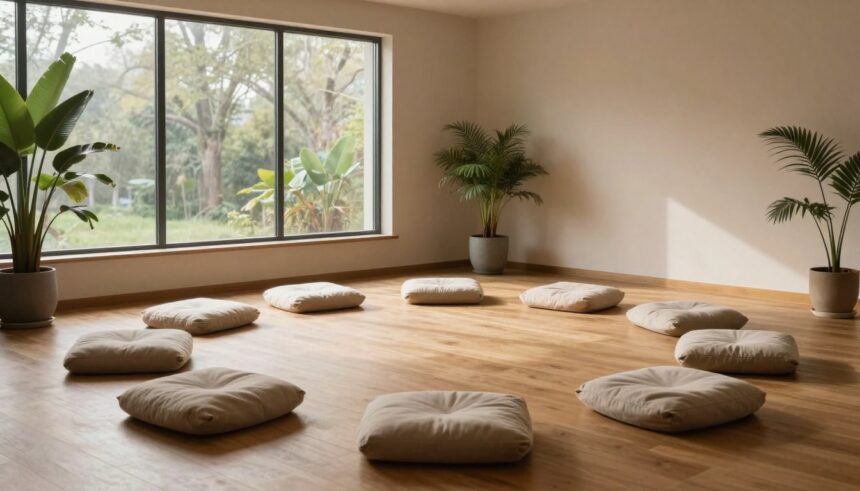
Keep your meditation space simple and uncluttered. A cushion or chair is essential. You might add a small table for a candle or flowers. Natural light helps create a peaceful atmosphere. Avoid electronic devices in your meditation area.
Establishing a Regular Schedule
Timing matters more than duration when building meditation habits. Ten minutes at the same time each day beats occasional hour-long sessions. Your brain thrives on routine. It learns to expect meditation at your chosen time.
Morning meditation works well for most people. Your mind is clearest after waking. The day has not yet filled your head with concerns. Many practitioners find morning sessions easier to maintain consistently.
Evening meditation offers different benefits. It helps process the day’s events. Stress and tension release before sleep. If morning feels impossible, evening becomes your best option. Choose the time that fits your life.
Helpful Habits
- Start with just 5-10 minutes daily
- Meditate at the same time each day
- Use a timer to avoid clock-watching
- Tell family your meditation schedule
- Join an online meditation group
- Track your practice in a journal
- Celebrate small milestones
Common Mistakes
- Starting with overly long sessions
- Expecting immediate dramatic results
- Judging yourself for wandering thoughts
- Skipping practice when busy
- Meditating only when stressed
- Comparing your experience to others
- Giving up after a few difficult sessions
Overcoming Common Obstacles
Most beginners struggle with wandering thoughts. Your mind will wander hundreds of times per session. This is completely normal. The wandering is not failure. Noticing the wandering and returning attention is the practice itself.
Physical discomfort challenges new meditators. Back pain, numb legs, and restlessness arise frequently. Use props liberally. Sit on chairs if floor sitting hurts. Adjust position whenever needed. Comfort supports practice more than rigid posture rules.
Lack of time is the most common excuse for skipping meditation. The solution is starting smaller than you think necessary. Five minutes daily beats 30 minutes weekly. Consistency matters more than duration for building lasting habits.
Tracking Progress and Staying Motivated
Keep a simple meditation journal. Note the date, duration, and type of practice. Add one sentence about your experience. This record helps you see patterns and progress over weeks.
Many meditation apps offer tracking features. They show streak counts and total minutes practiced. These statistics provide motivation to maintain consistency. Small rewards for milestone achievements also help.
Connect with other meditators online or locally. Community support makes maintaining practice much easier. You can share challenges and successes. Others remind you why meditation matters during difficult periods.
Ready to Deepen Your Practice?
Join our 21-day guided meditation journey. Learn proven techniques from experienced teachers. Build unshakeable meditation habits. Transform your relationship with stress and anxiety.
Join 15,000+ students who have completed the program
The Science Behind Meditation: What Research Shows
Scientific research on meditation has exploded in recent decades. Brain imaging technology allows researchers to observe meditation’s effects directly. The findings validate what practitioners have known for centuries: meditation produces measurable changes in brain structure and function.

Brain Changes from Regular Practice
Long-term meditation practice increases gray matter density in several brain regions. The hippocampus, responsible for learning and memory, grows larger. The prefrontal cortex, which controls decision-making and emotional regulation, strengthens significantly.
Meanwhile, meditation shrinks the amygdala. This almond-shaped structure processes fear and stress responses. A smaller amygdala correlates with reduced anxiety and better stress management. These changes begin after just eight weeks of regular practice.
Brain wave patterns also shift during meditation. Alpha waves increase, indicating relaxed alertness. Theta waves appear, associated with deep relaxation and creativity. These patterns persist even when not meditating, changing your baseline brain state.
Physical Health Benefits Supported by Research
Meditation lowers blood pressure in people with hypertension. Multiple studies show reductions of 5 to 10 points in systolic pressure. This effect rivals many blood pressure medications without side effects.
The practice strengthens immune function measurably. Research shows increased antibody production after meditation training. Meditators get sick less frequently and recover faster when illness occurs.
Chronic pain improves with regular meditation. Brain scans show meditation changes how the brain processes pain signals. The physical sensation might remain, but the suffering associated with it decreases. This distinction proves crucial for people with incurable conditions.
Mental Health Applications
Clinical trials demonstrate meditation’s effectiveness for depression. Mindfulness-based cognitive therapy combines meditation with standard cognitive therapy. The combination prevents depression relapse as effectively as antidepressant medication.
Anxiety disorders respond well to meditation interventions. Generalized anxiety disorder, social anxiety, and panic disorder all show improvement with regular practice. The benefits often exceed those from relaxation techniques alone.
Post-traumatic stress disorder treatment increasingly includes meditation. Veterans with PTSD report reduced symptoms after meditation training. The practice helps process traumatic memories without retraumatization. It provides tools for managing flashbacks and hypervigilance.
Workplace and Performance Benefits
Companies increasingly offer meditation programs to employees. The business case is strong. Meditation improves focus and productivity. It reduces sick days and healthcare costs. Employee satisfaction increases while turnover decreases.
Creative problem-solving improves after meditation. The practice enhances divergent thinking, the ability to generate multiple solutions. Many successful entrepreneurs credit meditation with breakthrough business ideas.
Decision-making quality improves with regular practice. Meditation reduces cognitive biases that cloud judgment. You make choices based on careful consideration rather than emotional reactivity. This clarity benefits both personal and professional life.
Beginning Your Meditation Journey Today
You now understand the major types meditation practices available. Each offers unique benefits and approaches to cultivating awareness. The diversity ensures you can find a practice that matches your needs and personality.
Remember that meditation is a skill developed through consistent practice. You would not expect to run a marathon after one jog. Similarly, meditation mastery requires patience and regular effort. Start small. Build gradually. Trust the process.

The best time to start meditating is now. Not after you finish this busy week. Not once life calms down. Those conditions will never arrive. Life stays busy. The mind remains restless. Meditation provides tools to navigate both successfully.
Choose one type of meditation from this guide. Commit to practicing it for two weeks. Set a daily time. Start with just five minutes. After two weeks, evaluate your experience honestly. Then either continue with the same practice or explore a different type.
Your meditation journey is uniquely yours. There is no single correct path. What matters is finding the practice that serves your life right now. Trust yourself to recognize what works. Be willing to adjust as your needs evolve.
“Meditation is not about stopping thoughts, but recognizing that we are more than our thoughts and our feelings.”
The benefits of regular meditation practice extend far beyond the cushion. You will notice changes in how you respond to stress. Your relationships will improve as you listen more deeply. Work productivity increases as focus sharpens. Sleep quality improves. Physical health strengthens.
These benefits accumulate slowly but surely. Small daily practice creates profound long-term transformation. The person you become through meditation often surprises you. Patience that seemed impossible develops naturally. Compassion replaces judgment. Peace replaces anxiety.
Take the first step today. Download a meditation guide or timer from this page. Set an alarm for tomorrow morning. Place your meditation cushion where you will see it. These simple actions begin the journey. Everything else follows from showing up consistently.
Choose Your Meditation Path
Everything you need to start and maintain a successful meditation practice. All resources are free and designed for beginners.
Free Resources
- Complete beginner’s guide (PDF)
- 10 guided meditation audio tracks
- Meditation timer with custom sounds
- Daily practice tracker and journal
- Weekly meditation tips newsletter
- Access to supportive community
FAQs
How long should I meditate each day as a beginner?
Start with just 5 to 10 minutes daily. This duration feels manageable for beginners while still providing benefits. Consistency matters more than duration when building a new habit. After two weeks of regular 10-minute sessions, you can gradually increase to 15 or 20 minutes if desired. Many people find 20 minutes twice daily to be the sweet spot for maximum benefit, but even 10 minutes daily produces measurable improvements in stress and focus.
Which type of meditation is best for anxiety relief?
Mindfulness meditation and body scan meditation are most effective for anxiety. Research specifically supports these practices for reducing anxiety symptoms. Mindfulness teaches you to observe anxious thoughts without getting caught in them. Body scan meditation releases physical tension that accompanies anxiety. Both practices activate your parasympathetic nervous system, triggering your relaxation response. Start with mindfulness meditation for two weeks, then add body scan practice before bed if anxiety affects your sleep.
Can I meditate lying down or do I need to sit up?
You can meditate in any comfortable position. Sitting upright helps maintain alertness, making it ideal for most practices. However, body scan meditation works better lying down. If physical limitations prevent sitting comfortably, lying down is perfectly acceptable. The risk with lying down is falling asleep, especially if meditating in bed. If drowsiness is not an issue for you, choose the position that allows you to relax while remaining aware. Use pillows and props to support comfortable alignment in any position.
Is it normal for my mind to wander constantly during meditation?
Yes, mind wandering is completely normal and expected. Your mind will wander hundreds of times in a single session, even after years of practice. The wandering is not a problem or failure. Meditation is not about achieving perfect focus. It is about noticing when attention has wandered and gently returning to your object of focus. This noticing and returning is the practice itself. Each time you catch your wandering mind and return attention, you strengthen your awareness. The wandering provides opportunities to practice this skill.
How long before I see results from meditation practice?
Many people notice initial benefits within one to two weeks of daily practice. Improved sleep often happens first, sometimes after just a few sessions. Reduced stress and better emotional regulation typically emerge within two to four weeks. Significant changes in brain structure appear after eight weeks of regular practice according to brain imaging studies. However, meditation benefits accumulate over months and years. The most profound transformations happen gradually through sustained practice. Start with realistic expectations of subtle improvements in the first month, with deeper changes developing over time.
Do I need a teacher or can I learn meditation from articles and apps?
Most meditation types can be learned independently through articles, books, and apps. Mindfulness meditation, body scan, loving-kindness, and mantra meditation are all accessible to self-taught beginners. Quality meditation apps provide excellent guided instruction. However, some practices benefit from or require teacher guidance. Transcendental meditation specifically requires training from a certified instructor. Vipassana meditation traditionally involves a 10-day retreat with experienced teachers. Zen meditation often includes instruction on proper posture and form. Consider starting with self-guided practice, then seeking a teacher if you want to deepen specific techniques.
Can meditation replace therapy or medication for mental health conditions?
Meditation should complement, not replace, professional mental health treatment. While research shows meditation helps with depression, anxiety, and PTSD, it is not a substitute for therapy or medication. Many therapists now incorporate meditation into treatment plans alongside traditional approaches. This combination often produces better results than either intervention alone. If you take medication for mental health conditions, continue your medication while adding meditation to your routine. Consult your doctor before making any changes to your treatment plan. Think of meditation as a powerful tool in your mental health toolkit, working alongside other evidence-based treatments.
What is the difference between meditation and mindfulness?
Mindfulness is both a quality of awareness and a specific type of meditation. As a quality, mindfulness means present-moment awareness without judgment. You can practice mindfulness during any activity – eating, walking, washing dishes. Mindfulness meditation is a formal practice where you sit and deliberately cultivate this awareness, usually by focusing on breath. Other types of meditation use different techniques to achieve various goals. All meditation practices develop some form of awareness, but not all focus specifically on present-moment mindfulness. Think of mindfulness as one approach within the broader category of meditation practices.