



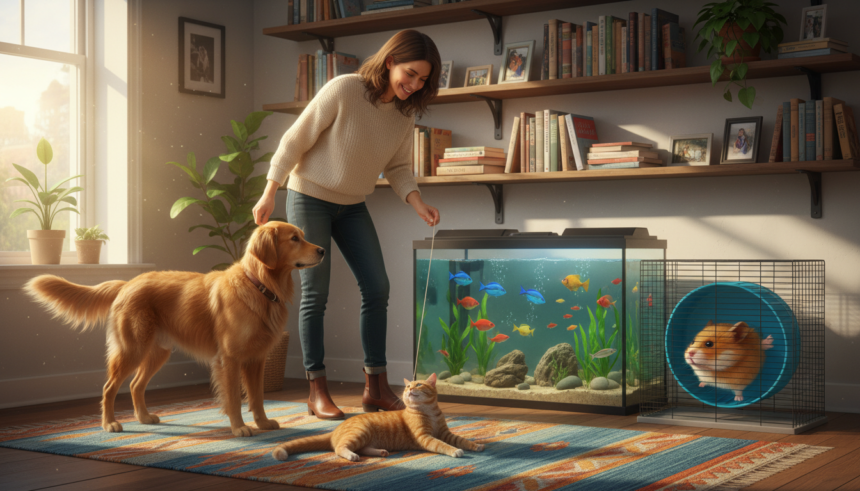
Getting a new pet is a big decision that changes your life. It’s not just about the excitement. You need to think about your daily habits, energy, and future plans. Understanding yourself is key to a strong, happy bond with your new pet.
Many people adopt pets without thinking about their lifestyle. By evaluating your needs, you create a happy home for you and your pet. Finding the ideal pet for you is the first step to a great relationship.
So, What Pet Is Best for Your Personality? It’s about matching your personality with the right pet traits. When you find your perfect pet, you build trust and respect that lasts.
Key Takeaways
- Self-reflection is essential before choosing a new animal companion.
- Your daily routine significantly impacts the type of animal that fits your life.
- Matching temperament ensures a more harmonious and long-lasting bond.
- Taking time to research helps avoid common adoption mistakes.
- A successful match leads to a happier life for both owner and animal.
Understanding How Your Lifestyle Influences Pet Selection
Finding the best pet for personality starts with looking at your daily life. Your habits, energy, and home environment affect which pet will do well. When you match your lifestyle with a pet’s needs, you build a strong bond.
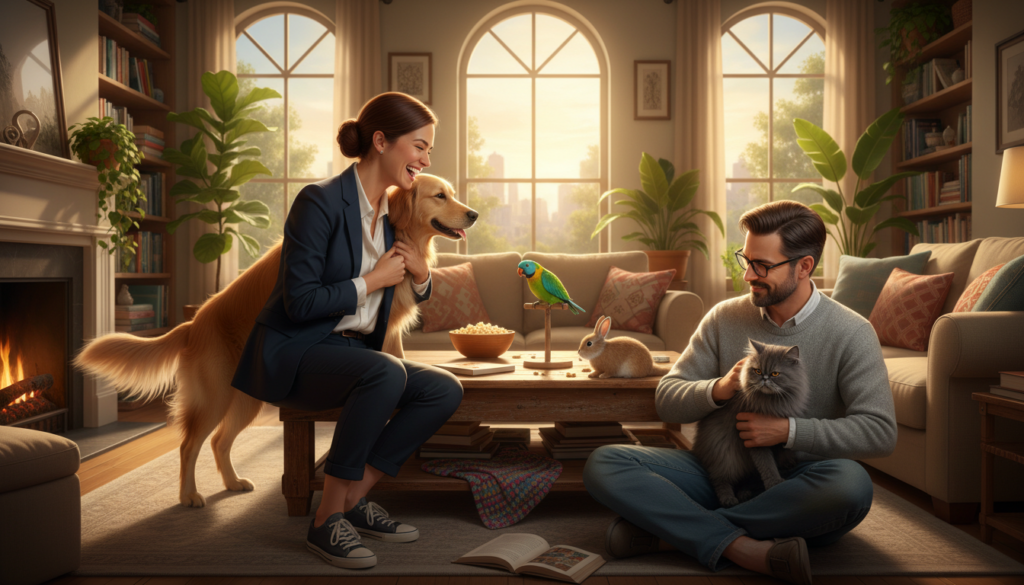
Assessing Your Daily Activity Levels
Think about how active you are. If you love to move, a high-energy dog might be perfect. But if you prefer relaxing, a calmer pet is better.
Be honest about your schedule. If you’re away from home a lot, pick a pet that’s okay with being alone. Consistency is key in choosing a pet that fits your lifestyle.
Evaluating Your Living Space and Environment
Your living space is crucial for your pet’s happiness. A big dog needs room, while a cat loves a big house. Think about your space and outdoor access before choosing.
Also, consider your area. Do you have parks nearby, or is it busy? Matching your space to your pet’s needs ensures they’re happy and safe.
Considering Your Long-Term Commitment Capacity
The bond between personality and pets lasts a long time. Some pets, like parrots or tortoises, live a long time. You must think if you’re ready for the long-term care.
Think about your future plans, like moving or career changes. Picking a pet that fits your long-term vision helps avoid stress. Planning for the future ensures your pet brings joy, not stress.
What Pet Is Best for Your Personality Based on Temperament
Finding the right pet starts with knowing your own temperament. When you match your habits with an animal’s needs, your home becomes a peaceful place. To find the best pet for personality, look at how you recharge and interact with others.
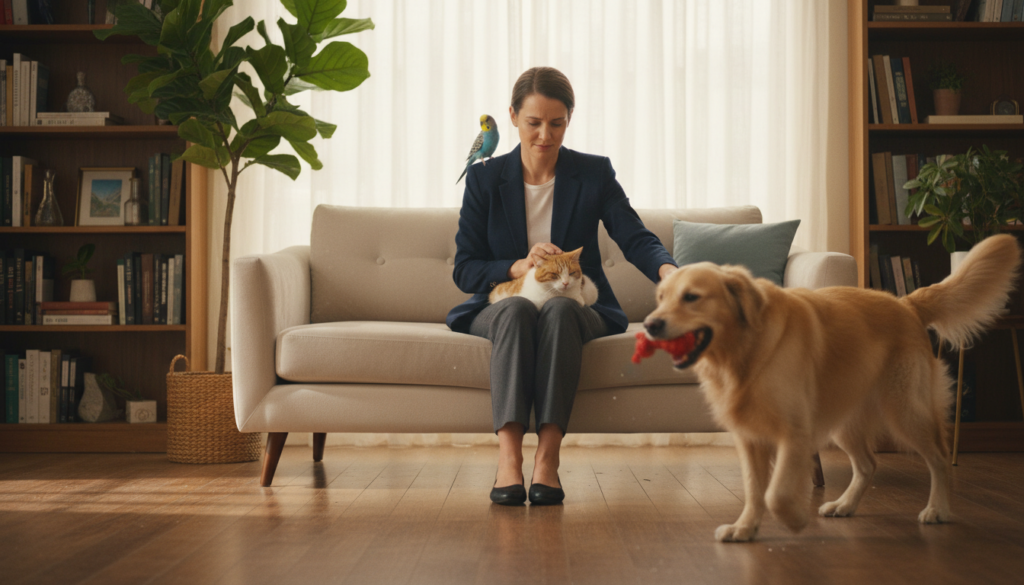
The Social Butterfly: Pets for Extroverted Personalities
If you love being around people and enjoy constant activity, you need a pet that’s just as lively. Pets that need lots of interaction keep you feeling connected and happy.
Why Dogs Thrive with Active Social Lives
Dogs are perfect for those who love being out and about. They need walks, park visits, and social training, fitting well with an outgoing lifestyle. Their enthusiasm for life brings joy to active owners.
Birds as Engaging Companions for Outgoing Owners
Birds, like parrots or cockatoos, are great for those who enjoy talking. They love being the center of attention and join in on household activities. They’re perfect for lively homes where pets communicate back.
The Quiet Observer: Pets for Introverted or Calm Personalities
If you prefer a quiet home, choosing a pet that fits your personality means finding a calm companion. You might want a bond that’s subtle, not demanding. A calm home is good for both you and your pet.
Cats as Independent and Low-Maintenance Partners
Cats are great for those who value quiet evenings. They offer affection on their own terms, fitting well for those who enjoy peace. A pet personality match with a cat leads to a calm, stress-free home.
Small Mammals Like Hamsters or Guinea Pigs for Peaceful Homes
Small mammals add a gentle touch without changing your lifestyle much. Watching a hamster or listening to a guinea pig can be very soothing. They’re great for those who like a calm, predictable life.
“The bond between a human and an animal is a silent language that speaks directly to the soul, requiring no words to be understood.”
| Pet Type | Ideal Owner Trait | Energy Level |
|---|---|---|
| Dogs | Extroverted/Active | High |
| Birds | Social/Vocal | Medium-High |
| Cats | Introverted/Independent | Low-Medium |
| Small Mammals | Calm/Observant | Low |
Matching Pet Energy Levels to Your Personal Pace
Finding the right balance between your daily rhythm and your pet’s energy is key for a happy home. When your activity levels match, you avoid the friction from mismatched expectations. A successful pet personality match begins with understanding your natural pace.
High-Energy Companions for Adventurous Spirits
If your weekends are filled with mountain trails or long runs, you need a partner who shares your zest for life. High-energy animals thrive when they have a job to do or a path to explore. Choosing a pet selection based on personality means acknowledging that these animals require significant daily stimulation.
Active Dog Breeds for Hiking and Outdoor Enthusiasts
Breeds like Border Collies, Vizslas, and Australian Shepherds are natural athletes. They have the stamina for rugged terrain and long-distance trekking. Consistent physical engagement is not just a preference for these breeds; it is a necessity for their mental well-being.
Low-Energy Pets for Relaxed Homebodies
For those who prefer a quiet evening with a book, a high-intensity animal might feel overwhelming. You can find deep companionship with pets that appreciate a slower, more predictable environment. A thoughtful pet selection based on personality often leads homebodies toward animals that value rest as much as they do.
Reptiles and Their Unique Appeal for Patient Owners
Reptiles, such as bearded dragons or leopard geckos, offer a fascinating alternative to traditional mammals. They do not require walks or constant social interaction, making them perfect for calm, observant owners. Their low-maintenance nature allows you to enjoy their presence without disrupting your peaceful routine.
Senior Pets as Calm Companions for Quiet Households
Adopting a senior pet is a wonderful way to find a pet personality match that fits a relaxed lifestyle. Older animals have already moved past the chaotic puppy or kitten phase. They are often content to simply lounge by your side while you work or relax at home.
| Pet Type | Energy Level | Ideal Owner | Primary Need |
|---|---|---|---|
| Active Dog | High | Outdoor Adventurer | Daily Exercise |
| Reptile | Low | Patient Observer | Habitat Maintenance |
| Senior Pet | Low/Moderate | Quiet Homebody | Companionship |
Practical Considerations for Your Ideal Pet Match
While personality and pets are closely connected, your daily life is crucial for their success. Even if you find a pet that fits your personality, make sure your home meets their needs. Checking your living situation ahead of time can avoid future problems for both you and your pet.
Budgeting for Your New Family Member
Being financially ready is key to being a responsible pet owner. You’ll need to budget for regular expenses like food, vet visits, and flea control. Unexpected vet bills can happen, so it’s smart to save for emergencies.
“The cost of a pet is not just the adoption fee; it is a long-term commitment to their health and well-being.”
Allergies and Sensitivities in Your Household
Before choosing a pet based on personality, check if everyone in your home is okay with it. Allergies to pet dander or fur can make life difficult. If allergies are a concern, try introducing the pet in a controlled setting first.
Look into hypoallergenic breeds if mild allergies are a problem. Always talk to a doctor if you’re worried about allergies. Keeping your home healthy is essential for everyone’s happiness.
Time Management and Daily Care Requirements
Every pet needs time for grooming, eating, and play. When choosing a pet that fits your personality, think about your schedule. A lively dog needs lots of exercise, while a cat or small mammal might need less.
Think about your daily routine and if you can give the pet the care it needs. Consistency is key for a strong bond. If your life is busy, choose a pet that’s okay with being alone more.
Find your perfect pet match
Conclusion
Choosing a new pet is a big decision. It involves your daily habits, how you feel, and what you can offer. It’s important to think about these things to make sure you and your pet will get along well.
By carefully considering what you need, you can easily find the right pet for you. This careful planning helps avoid problems later on. It makes sure your home is ready for your new friend.
Getting a pet can bring lots of happiness and loyalty into your life. You should find a pet that fits your lifestyle and brings joy to your days. Use the tips given to find the perfect pet for you and start your search with confidence.
Start by looking at local shelters like the ASPCA or talking to reputable breeders. Also, share your search with friends or family who might be looking for a pet too. Making this choice carefully will bring you and your pet closer together and make your home happier.
FAQ
How do I begin the process of determining what pet is best for your personality and daily routine?
Start by thinking about your habits and goals. Ask yourself if you like being around people or prefer quiet time. Knowing your personality helps find a pet that fits well with you.
Think about how active you are and how much time you can spend with a pet. This helps choose the right pet for you.
Why is it so important to achieve a precise pet personality match before adopting?
Finding the right pet match is key for a happy life together. It prevents problems caused by lifestyle differences. For example, an active owner and a high-energy dog will enjoy activities together.
But, a low-energy owner and a high-needs dog might stress each other out. Choosing the right pet ensures your companion is happy in your home.
Which animals are considered the best pet for personality types that are extroverted and active?
Extroverts who love being active often choose dogs. Dogs need to be out and about, and they love people. Labrador Retrievers and Golden Retrievers are great because they’re friendly and outgoing.
Intelligent birds like African Greys or Macaws are also good for those who like to talk and have interactive pets.
What is the ideal pet for you if you lead a more introverted or low-energy lifestyle?
If you like a quiet home, cats or small mammals might be perfect. Cats, like British Shorthairs, are independent and don’t need constant attention. Small mammals, like hamsters or guinea pigs, also offer quiet companionship.
Senior pets from places like the ASPCA are also great. They usually need less energy and have calm temperaments.
How does my living environment influence the pet selection based on personality and species?
Your living space affects which pets are comfortable. A big dog might not do well in a small apartment. In such cases, consider animals that don’t need a lot of space, like reptiles or small dog breeds.
Thinking about your living situation helps choose a pet that fits your lifestyle for years.
What are the essential practical steps when considering personality and pets?
Consider more than just personality. Think about the costs, like food and vet visits. You also need time for grooming and exercise.
Check for allergies before bringing a pet home. Combining these practical steps with your personality assessment ensures a happy life with your pet.