


Imagine sitting in a quiet room while the world outside slowly fades away. Have you ever felt like your mind is a storm that simply won’t settle? The weight of stress often makes daily life feel like a constant uphill battle.
You deserve a moment of peace that feels as transformative as breathing. The transcendental meditation technique provides a systematic path to this deep inner quiet. This practice invites you to sit comfortably and let your active thoughts drift away easily.
This process represents a journey toward the center of your consciousness where everything feels light. It is a simple gift you give to your own well-being.
It does not require you to monitor your breath or clear your thoughts with force. Millions of people use this quiet approach to reach a state of restful alertness every single day.
Integrating this stillness into your routine can transform how your mind reacts to your surroundings. When you dedicate time to this method, you open the door to significantly improved mental clarity.
Key Takeaways
- Learn a simple way to reduce daily stress and anxiety.
- Discover the state of restful alertness through deep stillness.
- Understand why this method requires no focus or concentration.
- Differentiate this approach from other common mental practices.
- Find out how to integrate these sessions into a busy life.
- Explore endorsements from experts and people around the world.
What is Transcendental Meditation?
You might wonder what sets this specific mental exercise apart from the dozens of other options available today. Transcendental meditation is a simple, silent practice that allows your mind to settle inward. This meditation method uses a specific sound or mantra to help you reach a state of deep relaxation.
It does not require intense focus or concentration to work. Instead, it invites you to experience a quieter level of thought through a natural process. This approach helps you access a field of pure consciousness that exists within everyone.
Origins with Maharishi Mahesh Yogi
The modern world learned about this ancient technique through the work of Maharishi Mahesh Yogi. He began teaching these Vedic-based practices in the 1950s after studying with great masters in India. Maharishi Mahesh wanted to share this knowledge to help people manage the stresses of modern life.
In 1959, Mahesh Yogi founded the International Meditation Society to reach a global audience. The program gained massive popularity in the 1960s when famous celebrities began sharing their success stories. Maharishi Mahesh Yogi helped bring these ancient secrets to the West, making meditation accessible to everyone.
How TM Differs from Other Meditation Practices
You will find that transcendental meditation is quite different from mindfulness meditation. While mindfulness meditation often asks you to observe your thoughts, this transcendental meditation approach is completely effortless. You do not need to monitor your feelings or try to clear your mind of any distractions.
Many people enjoy that this meditation style requires no specific belief system. It is a practical tool designed for busy lives rather than a strict lifestyle change. Most practices involve focus, but in transcendental meditation, you simply let the mantra guide you naturally toward quiet awareness. This makes the meditation experience unique.
| Feature | Transcendental Meditation | Other Common Practices |
|---|---|---|
| Primary Effort | Completely effortless | Requires concentration or focus |
| Mental Tool | Uses a silent mantra | Focuses on breath or sensations |
| Main Goal | Pure consciousness and rest | Present-moment awareness |
| Learning Method | Structured instruction | Often self-taught or guided |
Understanding the Transcendental Meditation Technique
The transcendental meditation technique operates on a set of fundamental ideas that distinguish it from common relaxation methods. It offers a systematic way to reach deeper awareness without straining your focus. This approach encourages a gentle shift in your perspective during each session.
The Core Principles of TM
Unlike other forms of meditation, you do not try to clear your mind of all thoughts. This process uses a specific mantra to lead your attention inward. You simply favor the sound and let the technique unfold naturally.
Most practitioners find this method much easier than practices that require strict concentration. You do not need to judge your thoughts or push them away. Instead, you allow them to pass while remaining softly anchored to your mantra.
Why TM is Effortless and Natural
The technique relies on the idea that your mind naturally seeks a quieter state. Just as your body seeks physical comfort, your attention gravitates toward a peaceful inner experience. You do not need force or intense focus during this process.
This lack of effort makes the practice sustainable for busy people. You are not fighting against your nature but rather working with it. The mantra serves as a vehicle that carries you toward a more settled level of awareness.
The Goal of Restful Alertness
The primary aim of the transcendental meditation technique is to achieve a unique condition called restful alertness. In this state, your nervous system gets deep rest while your mind remains fully awake. This provides a level of rejuvenation that differs from both sleep and ordinary waking life.
By transcending surface-level mental activity, you unlock a reservoir of energy and clarity. You return to your daily tasks feeling more balanced and focused. Consistent practice helps you maintain this calm throughout your entire day.
| Feature | TM Practice | Concentration Styles |
|---|---|---|
| Effort Level | Completely effortless | High focus required |
| Mental Tool | Silent mantra | Breath or visualization |
| Main Benefit | Deep meditation rest | Improved focus or awareness |
Preparing for Your TM Practice
Proper preparation before you sit down to meditate ensures that you can settle into a state of deep rest without distractions. Taking a few moments to organize your surroundings allows your body to relax quickly. This simple setup helps you maintain a clear focus once you begin the technique.
Choosing a Quiet and Comfortable Space
You should find a calm spot where nobody will disturb you during your meditation. A corner of your bedroom or a favorite chair in the living room works well. Simply closing the door and silencing your phone can make a huge difference in your practice.
Selecting the Best Times for Meditation
Choosing the right time for your sessions helps you stay consistent every day. Aiming for two sessions provides the best results for mental clarity. Following a routine makes it easier to keep the habit long-term.
Morning Practice Guidelines
For your morning session, try to meditate shortly after you wake up. It is best to do this before you have breakfast or coffee. An empty stomach prevents you from feeling sleepy while your eyes closed state remains alert.
Afternoon and Evening Practice
Your second meditation of the day should happen in the late afternoon or early evening. For example, sitting down before dinner can give you a needed energy boost. Avoid practicing right after a heavy meal because digestion often leads to grogginess.
| Aspect | Morning Session | Afternoon/Evening |
|---|---|---|
| Timing | Soon after waking | Mid-to-late afternoon |
| Food Intake | Before breakfast | Before dinner |
| Main Benefit | Clear head for the day | Avoid the 4 PM dip |
Proper Posture and Clothing
You do not need a special cushion or a specific floor position for meditation. Sit in a comfortable chair with your back supported and your hands in your lap. Wear loose clothing so that nothing feels too tight while you sit for twenty minutes.
Setting a Gentle Timer
Setting a gentle timer for 15 to 20 minutes allows you to relax without checking the clock. Use a soft chime or a quiet melody so the sound does not startle you. This helps you transition smoothly back to your daily tasks at the right time.
Step-by-Step Guide to Practicing Transcendental Meditation
Practicing the transcendental meditation technique involves a series of simple, effortless steps that anyone can master quickly. You do not need any special skills or unique physical abilities to begin this journey toward deep relaxation and mental clarity. By following a clear and structured path, you can easily integrate this daily ritual into your busy schedule for maximum benefit.
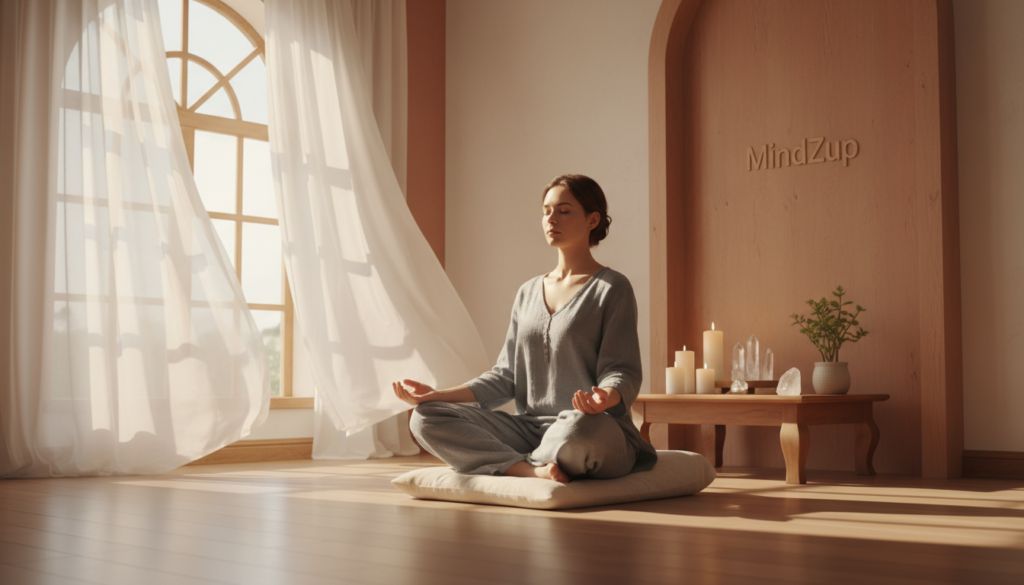
Step 1: Settle into a Comfortable Position and Close Your Eyes
Find a comfortable chair where you can sit upright but relaxed. Place your feet flat on the floor and rest your hands naturally in your lap. This stable position helps your body feel supported during the process.
Gently keep your eyes closed to signal your nervous system that it is time for internal rest. Take a few deep breaths from your belly to release any physical tension. This initial settling period prepares your consciousness for the transition from active thinking to a state of quiet rest.
Step 2: Begin Silently Repeating Your Mantra
Wait about thirty seconds after your eyes are shut before you introduce the sound. You will begin silently repeating your personal mantra in your mind without speaking it out loud. Do this gently and without any fierce concentration or strain.
What is a TM Mantra?
A mantra is a specific sound used as a vehicle in this meditation technique. The word itself is a Sanskrit compound meaning “instrument of the mind.” It guides your awareness away from busy thoughts toward a much simpler level of consciousness.
How to Think Your Mantra
Think the sound effortlessly, almost as if it is “bubbling up” in your awareness on its own. Let the sound assume any rhythm, volume, or clarity it wants. It may naturally speed up, slow down, or even become quite faint during your session.
Examples of TM Mantras
Teachers assign specific sounds to students, such as AIM, SHIRING, or SHAM. These are usually not actual words with definitions. Using a meaningless word prevents your brain from engaging in surface-level analysis during your practice.
Step 3: Allow Thoughts to Come and Go Without Resistance
During your meditation, you will likely notice various thoughts passing through your awareness. This is a perfectly normal part of the experience and should not be viewed as a distraction or a failure. You do not need to fight your mental activity or try to stop it.
Never force your mind to be blank or aggressively push ideas away. Instead, simply “favor” the sound over your mental chatter. When you realize your attention has drifted, easily return to the silent repetition. This gentle shift back is the core of the technique.
Step 4: Continue the Process for 15-20 Minutes
Maintain this effortless cycle for approximately fifteen to twenty minutes twice a day. Use a gentle timer so you do not have to check a clock constantly. If your mind wanders many times, simply return to the sound whenever you notice the drift.
The meditation is not a battle to stay focused; it is a natural descent into the quieter regions of the self.
Each time you return to the repetition, you are practicing the meditation technique correctly. Do not worry about the quality of your focus. Keeping the practice light and easy ensures that your nervous system receives the deep rest it needs.
Step 5: Gently Conclude Your Meditation Session
When your time is up, stop repeating the mantra but keep your eyes closed. Remain seated quietly for another two to three minutes without making any mental effort. This transition period is vital for allowing your body to slowly emerge from deep relaxation.
Moving too quickly back into activity can sometimes cause a jarring feeling or a mild headache. Take this brief moment to feel the weight of your body in the chair. This quiet rest helps you integrate the benefits of your meditation into your active life.
Slowly open your eyes when you feel completely ready to finish. You might want to stretch your arms or move your neck gently before standing up. Ending the session with patience ensures that you remain calm and focused throughout the rest of your day.
| Practice Step | Duration | Main Objective |
|---|---|---|
| Initial Settling | 30 Seconds | Relax the body and stabilize breathing with eyes closed. |
| Active Practice | 15-20 minutes | Effortlessly repeat the mantra and favor it over thoughts. |
| Cool-down Phase | 2-3 minutes | Stop the repetition and sit quietly before opening the eyes. |
What to Expect During Your Meditation Session
Every person experiences the quiet moments of meditation differently, but certain common patterns often emerge. While you sit quietly, your internal environment will shift as you move toward a deeper level of awareness.
Your session is a personal journey that adapts to your current needs. It is important to remember that there is no right or wrong way to feel during this time.
Mental Activity and Wandering Thoughts
You might notice a flood of thoughts the moment you close your eyes. This mental activity is a natural part of the process, which experts often call a “mental cleaning.”
When your mind drifts away from the mantra, simply return to it with ease. These thoughts indicate that your nervous system is releasing stored stress and tension from your daily life.
The cycle of noticing thoughts and returning to the mantra trains your focus. Each time this happens, you successfully guide your awareness back to a quiet and productive place.
Deep Relaxation and Physical Sensations
As you repeat your mantra, your body enters a state of profound rest. You may feel physical sensations like warmth, tingling, or a sense of being very light or heavy.
Your breathing often becomes shallow and soft as you relax completely. This peaceful experience shows that your physiology is gaining the rest it requires to function better throughout the day.
Falling Asleep During TM
If you find yourself drifting into sleep, do not worry or feel like you failed the practice. TM teachers suggest that if you fall into sleep, it is because your system specifically needed that extra rest.
Simply continue with your meditation once you wake up. It is a sign that the technique is giving you exactly what you need at that specific moment.
Every Session is Different
You should expect your experience to vary significantly from one day to the next. Some days will feel peaceful, while another session might feel busy or even restless.
Approach each meditation with an open mind and no specific goals. Release any expectations to allow the natural process to unfold effectively without any unnecessary pressure.
After Your Meditation: What Happens Next
Completing your TM practice marks the beginning of a refreshed state that carries through the rest of your day. This transition period allows your nervous system to slowly integrate the deep rest you just experienced.
Immediate After-Effects You May Notice
When you slowly open your eyes, you will likely feel calm and rejuvenated. Many practitioners describe this specific state as having a wakeful, relaxed energy.
“TM is like a charger for your mind body connection.”
Others often call this experience a “shower for the brain.” You may feel that your meditation has washed away mental clutter, leaving you sharp and ready.
Transitioning Back to Your Daily Activities
Try to carry this sense of mindful ease into your next task. Do not rush immediately into high-stress demands or loud environments if you can avoid it.
Many people find they stay focused and less stressed for hours after a single session. Consider sitting quietly for a few extra moments or doing some light stretching to bridge the gap back to your routine.
Building a Long-Term TM Routine
To see the best results for your long-term health, consistency is the key. It is best to practice twice every day at approximately the same time to build a solid habit.
Treat these moments as a non-negotiable self-care appointment. Over several weeks, this regularity will build a foundation for a much better life.
| Practice Frequency | Best Timing | Core Benefit |
|---|---|---|
| Morning | Right after waking | Mental clarity for the day |
| Afternoon/Evening | Before dinner | Releases accumulated stress |
| Consistency | Daily | Cumulative well-being |
Common Mistakes to Avoid When Practicing TM
Perfecting your daily routine requires awareness of the subtle errors that often derail beginners from experiencing true rest. When you start this practice, it is easy to have some misconceptions about how the inner process works. Learning to avoid these pitfalls ensures that your meditation remains effortless and effective.
Mistake 1: Trying to Clear Your Mind Completely
Many people believe they must stop all thoughts to succeed in their session. This is a common myth because the mind is naturally active, even during periods of deep rest. Don’t sit there judging yourself for having a busy brain.
In this technique, you do not force silence. Instead, you allow thoughts to come and go without any resistance. If your mind wanders, simply acknowledge it and return to the process gently.
Mistake 2: Using Meditation Time for Planning or Problem-Solving
You might feel tempted to use your 20 minutes of time to solve work issues or create mental to-do lists. However, meditation is not meant for active analysis or creative strategy sessions. Using the session to hash out problems keeps you on the surface level of thinking.
“The goal of meditation is not to get rid of thoughts or emotions. The goal is to become more aware of them.”
If you find yourself strategizing about life, treat those ideas like any other distraction. Recognize that you are planning, and then move back to the core of your session without frustration.
Mistake 3: Choosing a Stimulating or Meaningful Mantra
Picking a specific word like “sunshine” or “peace” for your mantra can actually hinder your progress. A meaningful mantra often triggers visual images or emotional memories that keep you engaged in active thinking. These associations prevent you from diving into the quiet levels of consciousness.
TM relies on specific sounds that lack meaning, allowing the mantra to be a simple vehicle for rest. If your current mantra feels too exciting or triggers a lot of mental images, it might be the wrong choice. A neutral mantra is essential for transcending the surface level of the mind.
Mistake 4: Ending Your Session Too Quickly
Stopping your mantra and jumping up immediately can be very jarring for your nervous system. You should always allow yourself a few minutes of quiet transition after the mantra ends. This prevents headaches and helps you maintain a calm state during your meditation session.
Spend about two to five minutes with your eyes closed before moving back into your daily activities. This period allows your body to adjust slowly to the shift from deep rest to normal activity.
Tips for Successful Transcendental Meditation Practice
To truly thrive while practicing transcendental meditation, follow these practical guidelines for better results. These simple tips will help you integrate the method into your lifestyle and ensure you feel the full range of benefits from the very first transcendental meditation session.
Practice Consistency: Meditate Twice Daily
You achieve the greatest success when you practice consistently. Aim to meditate for 20 minutes twice every single day, ideally once in the morning and once in the late afternoon. This twice day routine trains your mind and body to settle into deep rest more easily.
Even busy people can fit this into their schedule by meditating in a parked car or on a train. The cumulative benefits of a twice day habit become clear over time. Regularity matters much more than perfect concentration during your meditation.
Keep Your Approach Light and Effortless
Keep your approach to practicing transcendental meditation light and easy. The meditation technique works best when you do not force a focus. For example, if you catch yourself trying too hard to repeat your mantra, simply relax.
When you are practicing transcendental sounds, remember that the sound should be neutral and non-stimulating. If you have not received an official mantra, choose a simple, meaningless syllable that feels comfortable. Stick with the same mantra consistently to avoid creating mental clutter during your session.
Be Patient and Non-Judgmental with Yourself
Be patient and non-judgmental as you develop your meditation routine. You might notice you sleep better or handle stress with more ease after just a few weeks. These changes are often gradual and build up over time through regular practice.
Every session is valuable, even if you feel restless during those 20 minutes twice daily. Avoid labeling your meditation as good or bad. Simply allow the process to happen and trust that your nervous system is gaining the rest it needs.
Consider Learning from a Certified TM Teacher
Consider learning from a certified transcendental meditation teacher to deepen your experience. A professional teacher can provide a personalized mantra and guide you through the official program. This direct support helps ensure you use the meditation technique correctly from the start.
Many people find that this expert teacher guidance makes the transcendental meditation experience more effective. The structured program often includes follow-up meetings to refine your practice. This ensures you continue to enjoy the profound peace that transcendental meditation offers.
Conclusion
You now possess the tools to use transcendental meditation to reduce stress and enhance your daily life effectively. Practicing this technique creates an immediate calming state for your body and mind. This simple habit improves your health without the adverse side effects often found in traditional medications.
Scientific studies highlight the various benefits of this unique approach for your heart and mind. It helps people lower their blood pressure and improve cardiovascular health significantly. These benefits transcendental meditation offers also include better mental clarity and a massive reduction in chronic stress levels.
Evidence proves that these benefits transcendental practices provide can effectively help those dealing with post-traumatic stress. Many veterans find deep relief from post-traumatic stress disorder through this consistent method. It serves as a powerful, natural way to reduce stress and manage a long-term stress disorder effectively.
The David Lynch Foundation works hard to bring these vital health benefits to many at-risk populations. By embracing transcendental meditation, you gain access to lasting benefits that transform your daily experience. Start today to see how transcendental meditation can lower blood pressure and provide amazing benefits through consistent benefits transcendental habits.
FAQ
Who founded this program of silent mental practice?
Maharishi Mahesh Yogi introduced this method to the world. He taught that reaching a deep state of restful alertness improves your daily life. By following his program, you can find inner peace and lasting energy.
How many times a day should you perform it?
You should sit for twenty minutes twice a day. Keeping your eyes closed allows your mind and body to settle down. This routine helps reduce stress and provides a better night of sleep.
Can this help with serious health issues?
Many people find relief from high blood pressure and post-traumatic stress. Scientific studies from the Mayo Clinic show it improves heart health. This process helps manage stress disorder symptoms without hard effort.
Do you need to focus on a specific word or sound?
You use a specific mantra during the session. It is a simple sound that lacks meaning. Your attention follows the word silently to reach a deep experience of quiet without forced focus.
How does it differ from mindfulness?
Mindfulness usually involves watching the present moment. This silent practice is a natural meditation technique where thoughts pass by freely. It does not require any concentration or control over your mind.
Is it necessary to work with a certified teacher?
A certified teacher provides the best guidance for beginners. They help you achieve a transcendental state safely. Learning from a professional ensures you gain all the benefits of this meditation session.