




What Does It Mean When You Dream About Dying
Waking from a sudden, heavy scene can leave the heart racing and thoughts spinning. Many of these night visions feel sharp, as if a mirror was held to a private corner of life. Yet symbolism often guides those images more than literal truth.
Dreams are complex and symbolic. Before digging for answers, note the type of vision and how you felt on waking. If the scene felt silly, it may need no further thought.
Experts advise keeping a simple journal and reflecting each morning. That habit helps manage worries and clarifies which sleep images repeat with purpose.
When a scene lingers, trust gut feelings and consider release rather than alarm. Often these moments point to change, not an omen of death.
Key Takeaways
- Night visions usually symbolize personal change, not literal events.
- Record brief notes each morning to spot patterns.
- Recurring scenes may signal stress or poor rest.
- Trust intuitive impressions after waking; they guide interpretation.
- Don’t let a vivid image ruin the day—look for what to release.
Understanding the Symbolism of Death Dreams
Images of death in REM are often the brain’s shorthand for major change. REM sleep fills about 20–25% of a healthy night, giving the mind plenty of time to sort complex emotions and thoughts.
The Role of the Subconscious
The subconscious uses vivid scenes to rehearse endings and new starts. Dr. Nicholas Farrell notes that these visions can stick with people long after waking and affect day-to-day focus.
“Death dreams can become intrusive if they lead to persistent rumination and disrupt waking hours,” — Dr. Nicholas Farrell, NOCD.
Common Misconceptions
Many assume a literal outcome from a single episode. Experts disagree.
- Most experts view such images as symbols of change or the close of a chapter in life.
- Some people feel panic or rapid heart rate after an episode; that can harm mental health if repeated.
- Because REM is a part of nightly sleep, dreams might let the mind test anxieties in low-risk form.
| Symbolic Meaning | Common Feeling | Suggested Response |
|---|---|---|
| Endings or transition | Sadness, relief, or fear | Journal briefly and note patterns |
| Anxiety processing | Racing heart, rumination | Practice grounding on waking |
| Personal change | Curiosity or unease | Reflect on goals and health |
What Does It Mean When You Dream About Dying
Night scenes of death often signal a turning point rather than a literal prediction. Experts say these images map endings, shifts, or fresh starts in daily life. Lauri Loewenberg tells Refinery29 that death in sleep usually marks change, not danger.
Theresa Cheung notes that a violent dream death can warn of reckless choices. A peaceful passing, she adds, often symbolizes graduation, spiritual growth, or moving on.
Common patterns help interpretation. If a scene shows someone killing you, consider whether that person represents a psychological threat or inner conflict. If you kill another, the image may reflect voiced or hidden frustration in real life.
“Because dreams might be symbolic, you cannot look at them literally or you will freak yourself out,” — Lauri Loewenberg.
- If self-death appears, it usually signals release from the past.
- Dreaming of a dead body can point to expired roles—like a job you no longer want.
- Listen for words at waking; dialogue can offer practical guidance for the day.
| Dream Scene | Likely Meaning | Suggested Action |
|---|---|---|
| Peaceful death | Letting go, growth | Reflect; note goals |
| Violent death | Risk or recklessness | Check choices; slow down |
| Killer or attack | Conflict with a person or self | Journal; seek perspective |
Interpreting Dreams About Loved Ones and Pets
Night visions that feature family members often signal shifts in closeness or care needs. These scenes tap into worries tied to a change in routine, a move, or a new stage in life.
Family Member Scenes
Dreams of a loved one dying can feel urgent and upsetting. Often they reflect fear of loss, role shifts, or stress from life events.
Connecticut mom Linette P. recalled a fiery crash vision as parents moved into assisted living. That image tracked with real changes and her worry for care and independence.
Pet Loss and Meaning
Images of a pet passing often mirror sadness or fear of abandonment. They also can signal need for practical checks—an extra vet visit can ease health concerns.
- These visions are symbolic, not omens.
- Grief can appear even if the person or animal is alive.
- If scenes harm mental health, seek a professional for support.
| Scene | Likely Theme | Next Step |
|---|---|---|
| Parent in danger | Care concerns, role change | Discuss plans; journal feelings |
| Pet passing | Sadness, loss cue | Schedule vet; note mood shifts |
| Family member gone | Relationship shift, separation | Reflect on communication; seek support |
Analyzing Violent or Aggressive Dream Scenarios
Hostile dream scenarios tend to highlight parts of life that demand attention and revision.
These episodes rarely predict literal harm. Instead, they often act as a rehearsal for inner conflict and change. The brain uses sleep to sort emotions and test reactions in a low-risk setting.
Internal Conflict and Personal Growth
Violent scenes often point to an internal conflict where one part of the self is being removed. That can show as cutting ties with a bad habit or ending a role that no longer fits.
“If a stranger kills you in a dream, it suggests an internal conflict or a lack of discipline in your life.” — Theresa Cheung
- If the dream shows you as the attacker, it often signals that stress has reached a boiling point.
- Many aggressive dreams are manifestations of anxiety; the mind processes hard emotions during REM.
- Violence in sleep can also reflect trauma, with the brain replaying past threat to seek resolution.
- Changing daytime mindset and coping habits tends to reduce hostile scenes over time.
Analyze the content of nightly imagery to see if these scenes block personal growth. Addressing mental health and finding healthy outlets for emotions will often cut the frequency of aggressive dreams and help real life feel safer.
The Significance of Funerals and Cemeteries
A quiet funeral scene in sleep often signals closure on a real-life chapter. Such visions can mark the end of a relationship, a job, or another role that shaped daily life.
Theresa Cheung notes that dreaming of a funeral points to finality in some area. A cemetery, she adds, often marks a personal transformation or a big career shift.
- Although funeral imagery can feel morbid, it usually nudges people toward positive action and letting go.
- Cemeteries commemorate both death and life, reminding us that endings can lead to new starts.
- Wandering graveyards in a night scene may signal bidding adieu to single life or starting a new chapter.
“A dream about a funeral can be a way to process grief and find closure as one part of life ends.”
View these images as symbolic tools. They prompt reflection, protect mental health, and push forward change rather than literal fear. Treat them as cues to plan, heal, and move toward the future.
Recurring Dreams and the Role of Anxiety
Recurring night scenes often act like an alarm bell for chronic worry and poor rest. These repeats tend to mirror daytime tension and cognitive noise. A 2021 study in Dreaming found that anxious people report more negative images and misfortune in sleep.
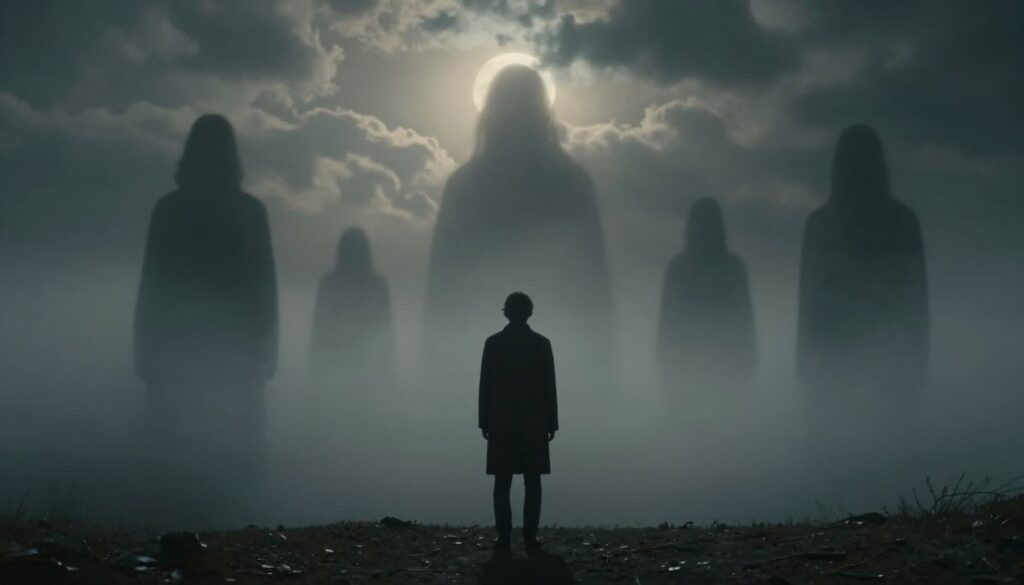
Dr. Nicholas Farrell notes that dream content often continues the mental chatter of waking hours. If episodes show up at the same time in sleep, they may track leftover stress, not literal threat.
Check how mornings feel. If scenes are intrusive, mark mood and energy. Frequent episodes linked to anxiety may erode daily focus and sleep quality.
- Repeating death dreams often signal worry and poor rest.
- Negative nighttime images commonly reflect daytime anxiety.
- Improved sleep habits usually lower frequency of distressing scenes.
| Sign | Likely Link | Practical Step |
|---|---|---|
| Same night scene several times | Chronic worry or poor rest | Track mornings; adjust bedtime routine |
| Dream dying returns after stress | High anxiety levels | Practice grounding and limit late media |
| Negative emotion in sleep | Daytime ruminating | Try brief journaling and calming breathing |
Takeaway: These images are rarely literal. Managing worries, improving sleep hygiene, and checking in on mental health often reduce recurrence and ease fear.
When Death Dreams Become Intrusive Obsessions
Night images can cross a line from troubling to obsessive when they interrupt daily tasks. For some people, a single dream repeats and fuels constant worry during the day.
Identifying Intrusive Thoughts
Intrusive thoughts feel unwanted and stick in the mind despite efforts to ignore them. Dr. Nicholas Farrell notes that death obsessions often appear in OCD and are judged by how distressing they feel.
Common Compulsive Behaviors
- Excessive research into meaning or constant reassurance from others.
- Monitoring the body after waking for signs of harm or illness.
- Thought neutralization — replacing a disturbing image with a “good” scene, as Tracie Zinman-Ibrahim describes.
The Impact of OCD
OCD can turn sleep content into a full day cycle of checking and rumination. Lisa de Guzman at NOCD explains that obsession echoes often surface in sleep and then feed daytime anxiety.
“Because these thoughts are ego-dystonic, people may feel unable to leave the vision as just part of the night.”
| Sign | Likely Link | Suggested Step |
|---|---|---|
| Constant replay of a scene | OCD-related intrusion | Limit analysis; try grounding and brief journaling |
| Compulsive checking after waking | Anxiety and reassurance seeking | Set a pause routine; consult a therapist familiar with OCD |
| Thought neutralization use | Attempt to control thoughts | Learn exposure and response prevention with a pro |
If dreams death content traps daily life, seek help. Professional care can break the cycle and protect mental health.
Seeking Professional Help for Distressing Nightmares
If upsetting night scenes begin to shape waking routines, professional support can help restore balance.
A large 2021 Sleep Medicine study of over 40,000 people found persistent nightmares often link to pre‑existing depression. That does not prove causation, but it shows a clear tie between repeated sleep disturbance and mental health.

Therapists can address trauma and grief that may feed a dream death pattern. Evidence‑based options include exposure and response prevention (ERP), which helps reduce compulsive reactions without overanalyzing each scene.
- If dreams involving a loved one dying cause major distress, contact a qualified mental health professional.
- Step away from online dream dictionaries if images affect daily focus; a clinician offers safer tools.
- Work with a therapist to build coping skills that reduce avoidance and protect sleep health.
| Concern | Professional Approach | Expected Outcome |
|---|---|---|
| Repeated nightmares tied to mood | Cognitive therapy or sleep‑focused CBT | Improved sleep and daily mood |
| OCD‑style obsession with content | ERP therapy with a trained clinician | Less ritual, fewer intrusive thoughts |
| Trauma or grief shaping nights | Trauma‑informed therapy or EMDR | Processing, fewer distressing images |
Seeking help is proactive. Good care can keep nightmares from ruling the day and protect overall mental health.
Conclusion
Simple steps can tame unsettling nightly images. , Keep brief notes and focus on how scenes tie to daily stress, goals, or a needed shift in life.
Remember that most visions are symbolic. Death in sleep usually signals an end to a chapter, a period of grief, or a push toward new growth and relationship change.
If recurring scenes become a source of fear or obsession, seek professional support. A therapist can offer tools to protect sleep and reduce intrusive thoughts.
Ultimately, these messages reflect an inner world ready for change. Attend to waking life, and clarity and peace often follow.
FAQ
Why do death-related dreams happen?
Nighttime scenes that include death often act as symbolic signals from the subconscious. They surface during REM sleep to process strong emotions, stress, and life transitions. The brain uses vivid scenarios to work through fears, grief, and change rather than predicting real events.
Can dreaming of dying predict real-life death?
No credible evidence links such dreams to actual future death. Research shows these images reflect inner fears, health worries, or major life shifts. If physical health concerns arise after a dream, consult a medical professional for assessment rather than relying on the dream as a warning.
What do dreams about loved ones passing away suggest?
These dreams often mirror anxiety about losing someone or unresolved conflicts. They may highlight attachment fears, anticipated changes in relationships, or grief that needs attention. Dreams about partners, parents, or friends can prompt real-life conversations or emotional processing.
How should I interpret dreams about pets dying?
Pet-death dreams commonly symbolize fear of loss, guilt, or feeling unable to protect a dependent companion. They can also mark the end of a chapter connected to daily routines or comfort. Pay attention to accompanying emotions for clues about underlying concerns.
What does violence in a death dream indicate?
Aggressive scenarios often reflect internal conflict, suppressed anger, or a struggle to change habits. They can signal frustration with a situation or a need to confront a stressful issue. Processing those feelings in waking life often reduces the intensity of such dreams.
Why do funerals and cemeteries appear in dreams?
Funeral imagery commonly represents closure, mourning, or acceptance of endings. Cemeteries may symbolize buried memories, unresolved grief, or aspects of self that feel lost. These scenes invite reflection on what needs release or healing.
Are recurring death dreams linked to anxiety?
Yes. Repetition suggests persistent worry, chronic stress, or trauma that the mind keeps reprocessing. Nightly recurrence points to unaddressed emotional material; interventions like stress reduction, therapy, or sleep hygiene can help break the cycle.
When do death dreams become intrusive obsessions?
Dreams turn intrusive when they invade daily thinking, fuel compulsive checks, or create severe distress. If nightmares compel repetitive behaviors or constant reassurance seeking, they may overlap with intrusive thought patterns found in anxiety disorders.
How can I tell intrusive thoughts apart from normal distress?
Intrusive thoughts feel repetitive, unwanted, and anxiety-producing despite efforts to dismiss them. They often trigger compulsive responses or avoidance. Normal distress eases with coping strategies and time; persistent disruption of daily life suggests a deeper problem.
What compulsive behaviors commonly follow distressing death dreams?
People may repeatedly check on loved ones, seek reassurance about health, avoid situations tied to the dream, or engage in ritualized routines. These behaviors aim to control anxiety but can reinforce fear cycles and reduce functioning over time.
How does obsessive-compulsive disorder (OCD) affect death-themed dreams?
OCD can magnify death-related content into persistent intrusive thoughts and compel rituals to neutralize anxiety. Sleep may suffer, increasing dream intensity. Effective treatments include cognitive-behavioral therapy with exposure and response prevention and, when needed, medication.
When should I seek professional help for nightmares?
Consult a mental health professional if nightmares cause ongoing fear, disrupt sleep regularly, lead to avoidance behaviors, or coincide with depressed mood or panic. A clinician can assess for PTSD, OCD, anxiety disorders, or sleep conditions and recommend therapy or medical treatment.
What practical steps reduce distressing death dreams?
Improve sleep hygiene, limit late-night stimulants, and establish calming pre-sleep routines. Practice stress management techniques like deep breathing, journaling, or grounding exercises. Talking with trusted friends or a therapist helps process fears and reduces dream recurrence.
Can grief or trauma trigger death-related dreams?
Absolutely. Bereavement and traumatic events often produce vivid death imagery as the mind processes loss. Dreams can be part of healthy mourning, but prolonged, intense nightmares after trauma may benefit from trauma-focused therapies such as EMDR or trauma-informed CBT.
Do health worries influence these dreams?
Yes. Concerns about personal health or aging commonly surface as death-related themes. Health anxiety magnifies bodily sensations into catastrophic thoughts during sleep. Consult a doctor for any persistent physical symptoms and a therapist for anxiety management.
How much do life changes shape death dreams?
Major transitions—career shifts, relationship changes, parenthood, or relocation—can trigger symbolic death dreams. The mind frames endings as death to signal transformation. Recognizing the life change behind the dream helps reframe fear into growth.
Are cultural or spiritual beliefs relevant to interpretation?
Cultural and spiritual frameworks shape how a person interprets death imagery. Some traditions view such dreams as omens or messages, while others treat them as psychological signals. Use personal beliefs alongside psychological insight to find meaning that feels right.
How can journaling help after a disturbing dream?
Writing down the dream and the feelings it stirred clarifies patterns and reduces emotional intensity. Note triggers, recent stressors, and recurring themes. Over time, journaling reveals connections between daytime worries and nighttime imagery.
Can medication help reduce night terrors about death?
Medication may help when nightmares stem from underlying conditions like PTSD, severe anxiety, or depression. Prescribing requires assessment by a psychiatrist or primary care doctor. Therapy often remains the primary, evidence-based approach for lasting change.
What if a loved one dreams of your death and expresses fear?
Take the concern seriously and offer reassurance. Open a calm conversation to explore what the dream reflected—stress, health worries, or relationship tension. If fear persists, suggest speaking with a therapist to address underlying anxiety.
Where can I find immediate help for severe sleep-related anxiety?
Reach out to a primary care provider, a licensed mental health professional, or local crisis services if anxiety becomes overwhelming. Many clinics offer telehealth options. For urgent risk of self-harm or harm to others, contact emergency services or the 988 suicide and crisis lifeline.